
Reviewed · ALMATY CITY TOURS
Astana: Old City Tour, Imperialistic and Soviet Architecture
Astana’s Old City tour is interesting because it forces you to read the city like a document. Instead of only admiring what Kazakhstan chose to build later, you walk the parts where Soviet-era design, public art, and ideology still show up in everyday streets and walls.
I especially like two things: Soviet-era public art (mosaics, murals, sculptures) you can actually see up close, and an expert guide who connects those visuals to the way people lived, believed, and worked. In one outing, guide Damir was singled out for bringing personal anecdotes and steering the group to places you would not easily find alone.
One possible drawback: the route is built around short stops and photo breaks. That style is great for variety, but it also means you will not get long, slow museum time in one place.
Key highlights to look for
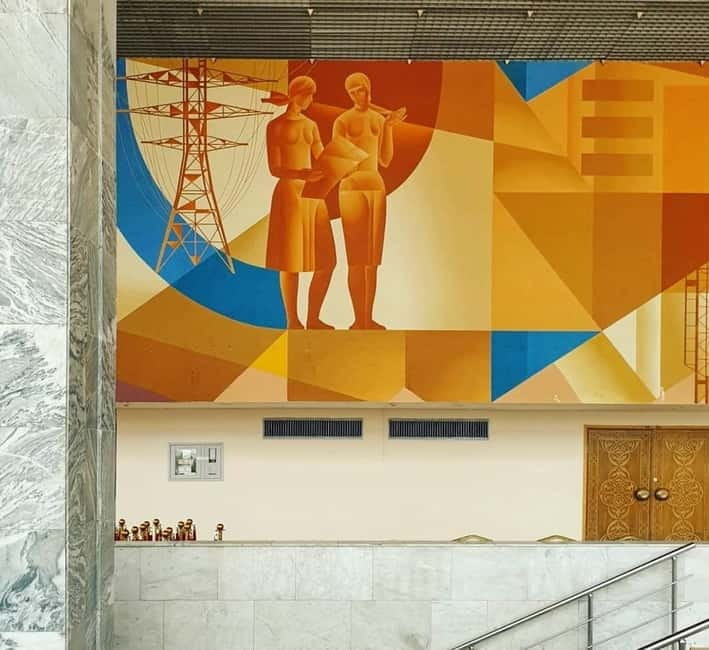
- Soviet mosaics, murals, and sculptures that tell stories of ideology, resilience, and culture
- A real expert guide sharing life-in-the-USSR context, not just building facts
- Lesser-known locations that help you see Astana’s past beyond the usual sights
- Multiple photo stops timed for quick look-backs and angles that make the art stand out
- Comfort perks included, like hotel pickup, A/C, Wi-Fi on board, and refreshing drinks
Entering Astana by Reading Its Soviet-Era Clues
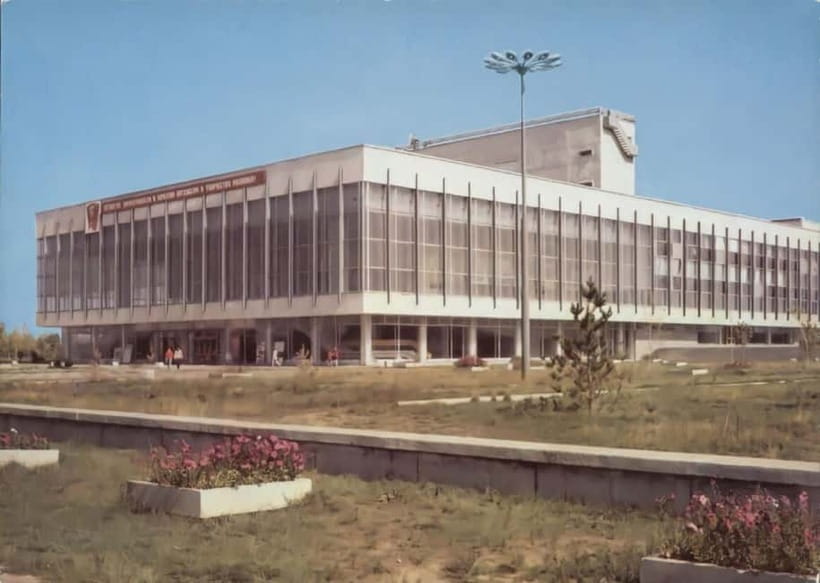
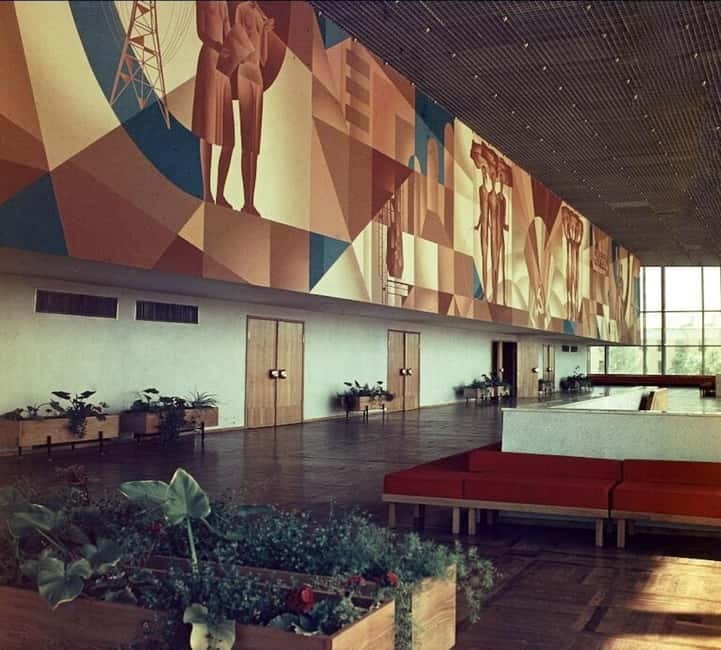
This tour works because it changes your brain’s search pattern. Astana can look futuristic fast, especially if you only catch the big, modern stretches. This experience does the opposite. It slows you down and makes you notice how Soviet design tried to shape public life, from the way buildings announce power to how murals and mosaics deliver messages in public space.
You are not just looking at old architecture as decoration. You are learning to interpret it. The guide frames what you see as part of a larger story: public art used for ideology, architecture used for identity, and everyday people adapting to that world. That is why the “Old City” angle matters. It helps you understand the city’s transformation from its Soviet roots to the modern capital you see today.
And because it is a private group, you should feel free to ask follow-up questions. That small detail makes a big difference when the guide is offering context about what you are standing in front of.
Nur-Sultan Pickup and the First 30 Minutes of Orientation
The tour starts with pickup in Nur-Sultan. You can usually request pickup from any point per your needs, which is a practical win if you are not staying right by the main sights. From there, you settle into a comfortable car with A/C and Wi-Fi on board.
That first block of time is designed as guided orientation. Think of it like getting your bearings fast, so the rest of the stops make sense. Even if you already know some Soviet history, this kind of start helps you connect the visual language you will see later: how symbols repeat, why certain materials are used, and what kind of public messaging these buildings carried.
If you are traveling with a camera, this early phase is also useful. The guide typically sets expectations about what to photograph and what details to look for, like faces, lettering, and composition in the murals and mosaics.
More Almaty city days:
- Astana City Tour: Private Full Day with Lunch and Comfort Pickup
★ 5.0 · 98 reviews - Astana City Tour: Explore Night City with a Certified Guide
★ 5.0 · 90 reviews - Private Half-Day City Tour of Astana in Comfort
★ 5.0 · 46 reviews
Photo Stops That Teach You How to Look at Soviet Design
A big part of this tour is repeated photo stop time, mixed with short guided segments. On paper it can sound like a lot of brief pauses. In practice, it can be smart. Soviet-era public art often rewards patience, but it also can be visually overwhelming at first glance.
So you use these short stops like checkpoints:
- Pause, frame your shot, then let the guide point out the elements that matter.
- Move on before you get tired, then repeat later with fresh perspective.
You will also spend some of the time in guided mode during and between these stops. That rhythm is one reason the tour feels efficient without feeling rushed. You are not only taking pictures. You are learning to read what you captured.
Practical note: wear shoes you trust. Even though the tour is spread out, the experience includes walking through historic areas, and you will want to move comfortably between stops.
Historic Neighborhoods and the Power of Soviet Public Art
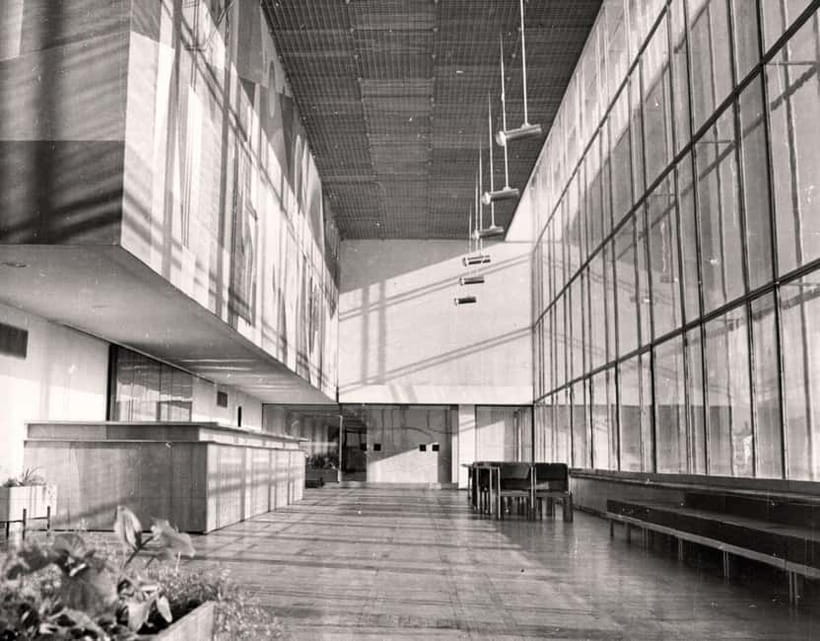
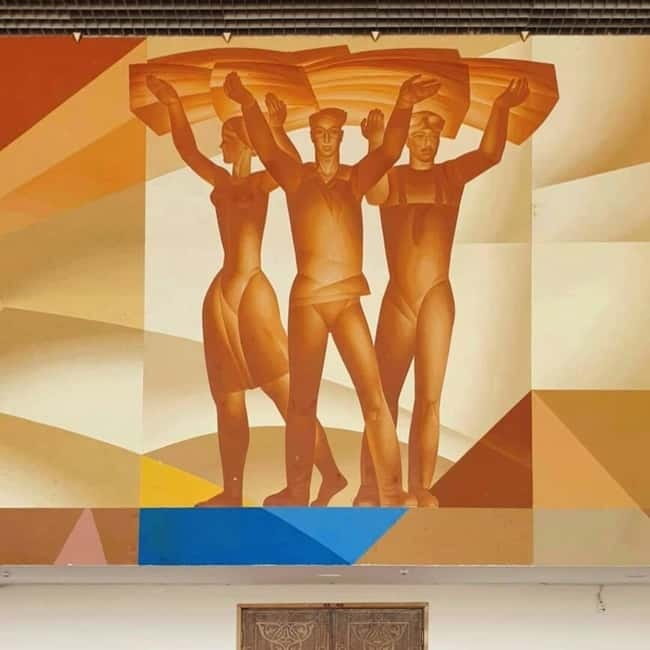
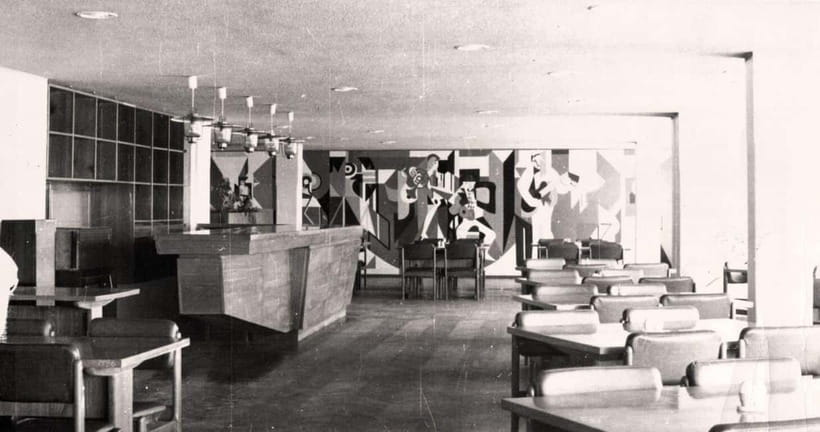
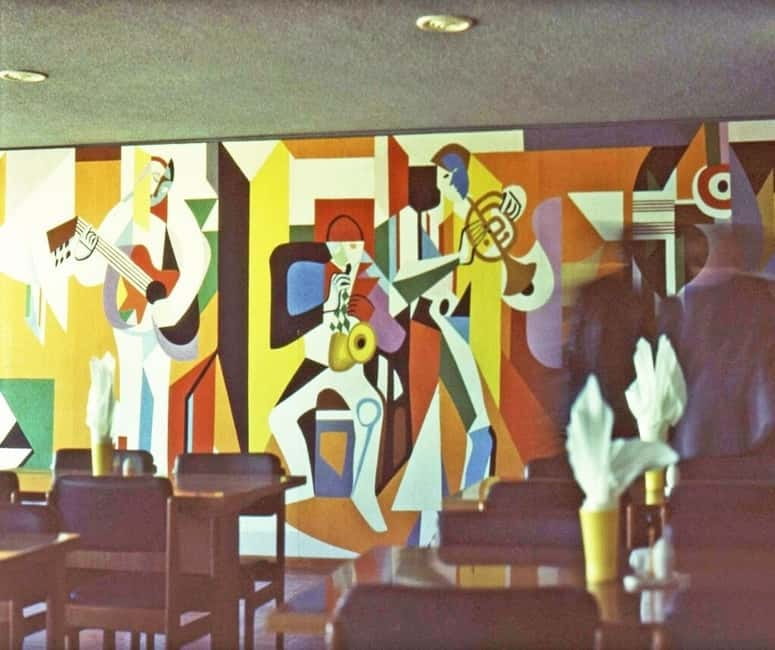
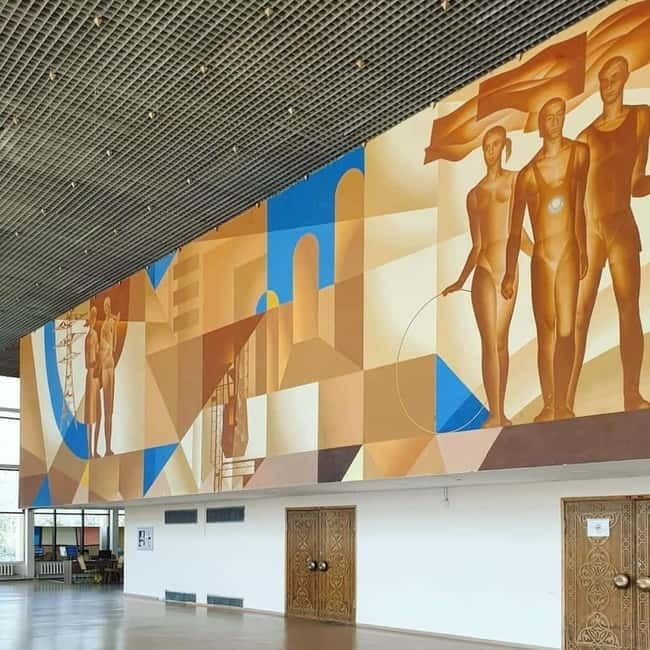
The tour’s heart is the way it connects Soviet mosaics, murals, and sculptures to the city around them. Soviet public art was not usually meant to be quiet. It was built to be seen, repeated, and remembered in shared spaces.
When you stand in front of mosaics and murals, the guide helps you notice patterns that make the work more than “old decoration.” You hear how these pieces relate to ideology and culture, and how they reflected a kind of official message about life, progress, and society. The sculptures add another layer. Instead of just flat imagery, three-dimensional works can make symbols feel more permanent and more physical, like they are part of the street itself.
One of the best values here is how you get lesser-known locations. That matters because Astana’s Soviet story is not evenly distributed across the city. If you only hit the biggest, most advertised points, you miss the texture. This route is designed to show you smaller corners where the past feels more integrated into daily streets.
Also, some stops are clearly set up as short visits rather than pure looking from a distance. That is where the tour’s tone shifts from “facts” to “understanding.” You start asking yourself what the artist or planner intended, and what people might have felt seeing it every day.
How the Guide Brings Soviet Life into Focus
The tour is led by a live guide in English or Russian. You might notice the difference between a guide who recites dates and one who tells you why something mattered. This tour leans heavily toward the second type.
You will hear fascinating tales about life in the Soviet Union, and the guide ties them to what you are seeing. That is important because the architecture and the art become clearer when you understand the social context. The tour does not treat Soviet-era design like an isolated style. It frames it as part of how people were expected to live and what they were encouraged to believe.
In reviews, people praised the guide’s attention to detail and personal anecdotes. One reviewer highlighted the depth of knowledge and the way the guide kept sharing stories that brought Kazakh culture and Soviet capital life into one picture. Another mentioned that the guide continues to research places that other guides might not know about, and even includes small surprises along the route.
So when you are choosing between a basic sightseeing walk and this Old City tour, consider what you want from your time in Astana. If you want atmosphere plus context, this format is a strong fit.
More departures from Astana:
- Astana: Burabay Oasis Private Tour+ Lunch+ Pickup+ Bonus Activity
★ 5.0 · 75 reviews - Astana: Burabay National Park Tour with Lunch and Pickup
★ 5.0 · 64 reviews - Astana City Tour: Certified Private Guide+Lunch+Wine Tasting
★ 5.0 · 38 reviews - Astana: Back to USSR – Gulag Museum with Certified Guide
★ 4.9 · 32 reviews
Where the Day Ends, and What Changes in Your Head
The tour typically runs about 4 hours and returns you to Nur-Sultan at the end. The final stretch matters because it lets your brain “connect the dots.” After enough stops, Soviet-era elements stop feeling random. They start feeling like a system: art in public space, architecture used as messaging, and neighborhoods that hold layers of decision-making across decades.
You may also notice how modern Astana sits alongside older remnants. That contrast is part of the point. You begin to understand the city not as a single era, but as a place that keeps rewriting itself.
One review mentioned exploring the left bank and described it as a way to find the soul of a capital city. You cannot assume every run follows the exact same streets, but it shows how the route can emphasize areas where the Soviet story feels close.
Value, Comfort, and What You Actually Pay For
At $50 per person for about 4 hours, this is not a “just hop on a bus” style price. You are paying for several built-in conveniences and for guided interpretation.
Here is what you get included:
- Hotel pickup and drop-off
- Comfortable car with A/C
- Wi-Fi on board
- Refreshing drinks
- Expert guide
- Entrance fees to museums and attractions on the route
- Visit to historic neighborhoods
- Private group
That bundle changes the value calculation. If you tried to DIY this, you would likely spend money on rides, then pay entrance fees, and you would still miss the connecting tissue the guide provides. The guide is what turns Soviet murals and mosaics from “old stuff” into meaning.
A practical upside for first-time visitors: you do not need to be a Soviet-history buff. The guide handles the context, and the tour gives you a framework for noticing what matters.
The only cost not included is a meal. If you want lunch or dinner, plan it outside the tour window.
What to Bring So You Enjoy Every Stop
Because the tour includes walking and multiple photo moments, bring the basics that make the day easier:
- Comfortable shoes you can walk in for a few stretches
- Camera (you will want it)
- Weather-appropriate clothing, since you will be outside for parts of the route
Also, keep an eye on the forecast. Astana weather can shift how long you will want to stand still taking photos. If it is cold or windy, dress for it so you do not cut the experience short.
If you care about photography, treat each photo stop like a chance to capture one specific idea, not just a general view. Soviet mosaics and murals often have small details worth zooming in on.
Who This Tour Is Best For (And Who Might Prefer Something Else)
This is a strong choice for you if:
- You like architecture and public art, not only big monuments
- You want stories that connect buildings to real life
- You enjoy routes that go beyond the most famous viewpoints
- You want a guide who can explain what you are seeing in plain language
It might be less perfect for you if you want a long museum session or a strictly modern sightseeing day. The structure is short segments, photo stops, and brief visits. That style is great for variety and context, but it is not built for deep time in one location.
Also, consider language. The guide is available in English and Russian, so if you plan to join, choose the language that matches your comfort.
Should You Book This Old City Soviet Architecture Tour?
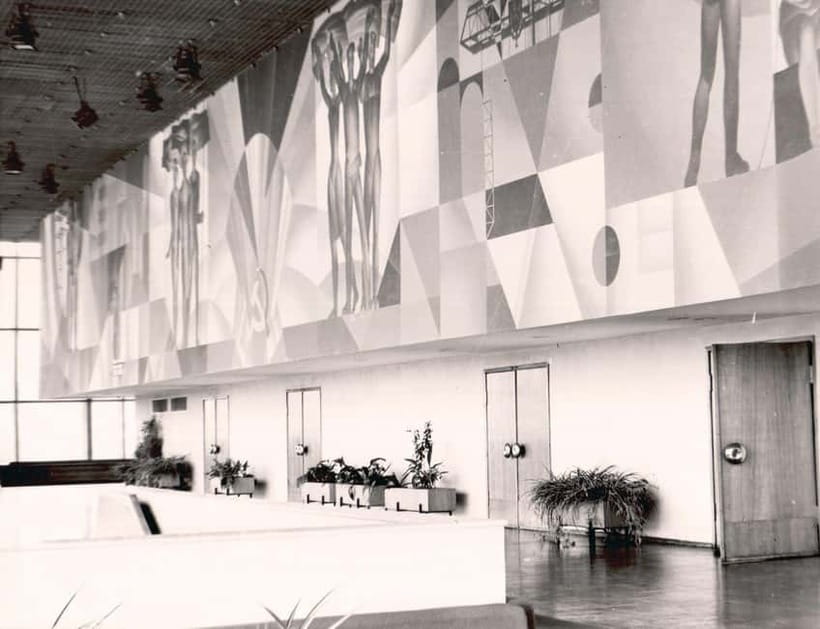
If you are in Astana and you want the city beyond the headline sights, I think this is an easy “yes.” For $50, you get an organized half-day with pickup, A/C comfort, entrance fees included, and a guide who connects Soviet art and architecture to how people lived. The best part is the combination of visible pieces, like mosaics and murals, with interpretive stories that make those pieces matter.
Book it if you enjoy smart walking tours where you learn how to look. Pass if your priority is a long sit-down museum day or you want only brand-new architecture. In most cases, though, the Old City approach gives you a faster, clearer understanding of Astana’s layers, and that is hard to replicate on your own.
FAQ
How long is the Astana Old City Tour?
It lasts about 4 hours, which is long enough for a mix of guided segments, photo stops, and short visits.
What does the tour cost?
The price is $50 per person.
What language is the guide available in?
The live guide speaks English and Russian.
Is hotel pickup and drop-off included?
Yes. The tour includes pickup and drop-off in Nur-Sultan, and the guide will pick you up from any point you request.
Are entrances included?
Yes. Entrance fees to any museums and attractions are included.
Is a meal included?
No meal is included, so plan to eat before or after the tour.
Recently added from Astana
- Astana Private Custom Walking Tour with A Local Guide★ 4.0 · 3 reviews
- The Old City Tour★ 5.0 · 3 reviews
- Private Astana City tour: Gude & Food & Winetasting★ 5.0 · 4 reviews
- Half Day Private Astana City Tour in Comfort★ 5.0 · 5 reviews
- Tour to Burabay National Park★ 4.5 · 6 reviews
- Half-Day Private Tour to Alzhir Camp from Nur-Sultan★ 5.0 · 6 reviews
- Private Transfer from Nursultan Nazarbayev (NQZ) Airport to Astana★ 5.0 · 6 reviews
- Half Day (3 hours) City Tour★ 5.0 · 6 reviews
Almaty City Tours, compared.
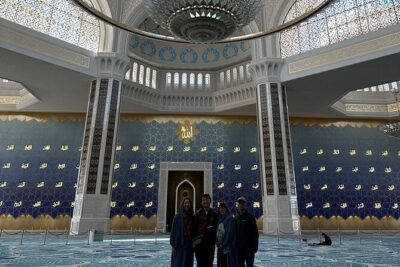
Astana City Tour: Private Full Day with Lunch and Comfort Pickup
Read our review →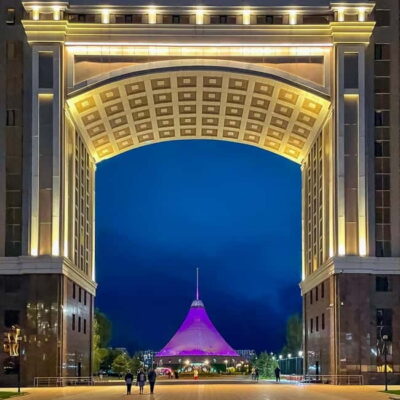
Astana City Tour: Explore Night City with a Certified Guide
Read our review →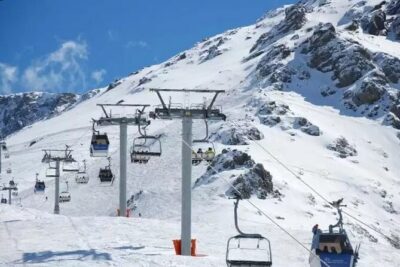
Almaty city tour and Medeu-Shymbulak-Koktobe-Green Bazar
Read our review →
Browse the lists this tour appears in