
Reviewed · HISTORICAL TOURS
Astana: KarLag and Karaganda – Private USSR history tour
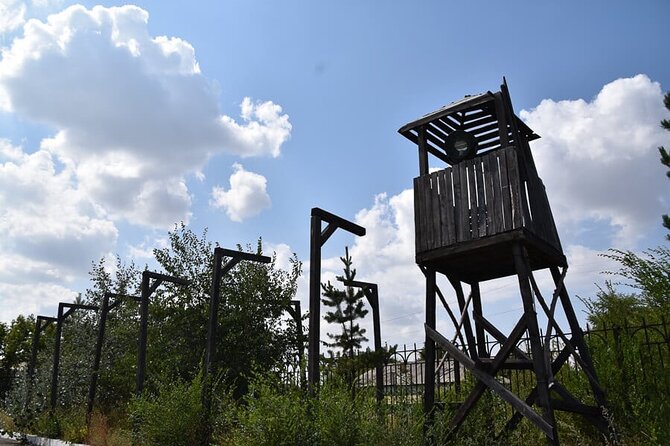
Karaganda and the KarLag Museum make for one of those rare day trips where the past is not just talked about, it is physically right there in front of you. You’re going from Soviet-era city landmarks to a museum focused on Stalin-era forced labor, then you head back with a clearer picture of how this region was shaped.
I especially like the way this tour gives you two speeds. The city stops are quick and practical for photos and orientation, then the KarLag Museum takes its time where it matters most. I also like that the guide on our trip, Amir, brought everything together in a way that stayed understandable, not just a list of facts.
The main drawback is the calendar reality. It is a long day, and the provider requires good weather, so if conditions are poor you may need to plan around a date change.
Key highlights worth your attention
- KarLag Museum visit: A focused 2-hour stop on political repression at Dolinka (admission included).
- Amir’s guiding style: Clear explanations that keep the story grounded and easy to follow.
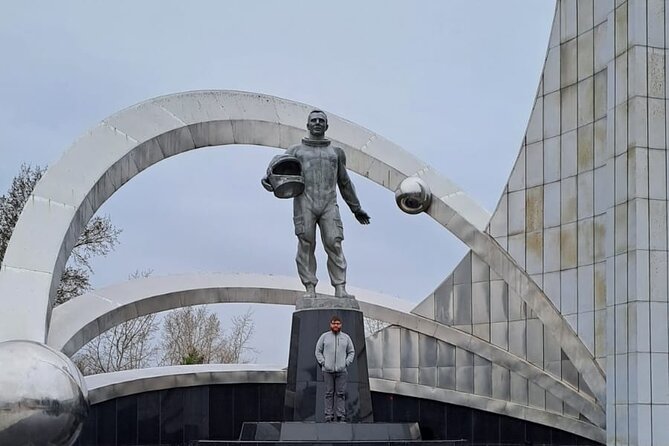
- Karaganda landmarks with context: Gagarin, Abay Kunanbayev, and theater buildings tied to the city’s Soviet identity.
- Meaning behind a familiar phrase: The Karaganda saying connects back to the KarLag labor camp.
- A real lunch break: Time to refuel at a Russian restaurant during the day.
- Private group experience: Only your group participates, so you get less waiting and more control of your pace.
A Day Trip That Feels Like Soviet History In Two Parts
This is not a “we drive by a few things” kind of tour. You get a day that moves from public monuments and cultural buildings in Karaganda to the Dolinka settlement area, where the KarLag Museum documents one of the darkest stories from the Soviet period.
The day is also well paced for what you’re actually seeing. You’re not stuck for hours on streets for a single photo, and you’re not rushed through the museum either. That balance is the big reason this tour scores high.
One more note: you’ll be thinking about heavy history, so it helps if you’re ready for emotional content. The museum is described as detailed and moving, and you should expect it to do real work on your mind.
A few more Astana departures to line up
- Astana: 2-Day 1-Night Ranch Stay & Tour Historic Mausoleum
★ 3.9 · 3 reviews - Ancient petroglyphs of Tanbaly – UNESCO World Heritage
★ 5.0 · 18 reviews - Almaty City Tour: A Journey Through Culture, History, and Nature
★ 5.0 · 8 reviews
The Road to Karaganda from Nur-Sultan Takes Time (Use It Smart)
Karaganda sits about two and a half hours from Astana, and your total time on the tour is around 10 to 11 hours, with travel included. That means the day starts early enough that you’ll feel like you’ve packed a lot in, even though the schedule is steady.
For your planning, treat this as a true day commitment, not a half-day add-on. Wear comfortable shoes, bring layers, and be ready for long-distance sitting. If you get travel cranky, bring water and a small snack for before the lunch break.
Also, the provider notes this experience requires good weather. In practical terms, if the forecast looks rough, keep a little flexibility in your itinerary so you can accept a different date if needed.
Shalkyma Concert Hall, Gagarin, and Abay Kunanbayev Alley
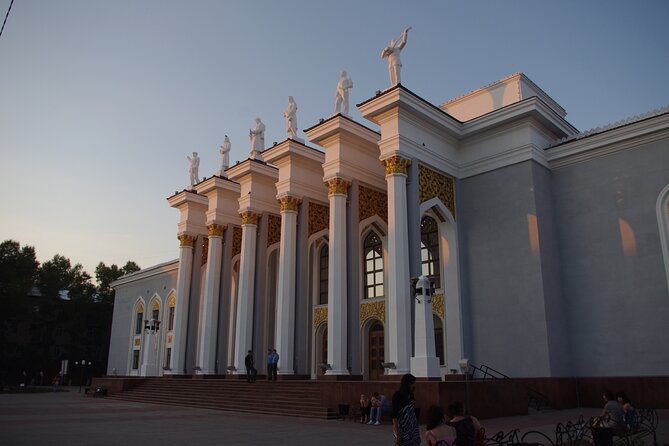
Your first city stop is the Shalkyma Concert Hall area. It’s a strong opening because it immediately signals two things at once: Soviet-era public culture and major symbols of Soviet identity.
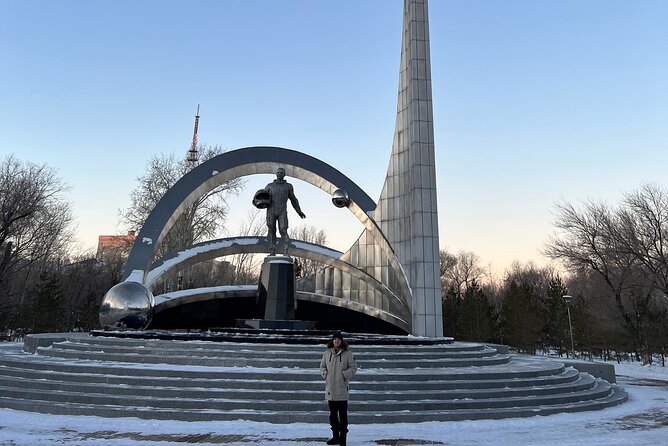
Right nearby you’ll find the monument to Yuri Gagarin and also a monument to the prominent Kazakh poet Abay Kunanbayev. That pairing matters. You get to see how a Soviet-era cityscape used famous figures and public art to communicate power, pride, and cultural messaging.
This stop is short, about 20 minutes. Think of it as a way to get your bearings fast, and then move on. If you’re the type who wants to linger, you can still take a few extra moments as long as your group stays on schedule.
K. Stanislavskiy Drama Theatre: 1930 Russian Theatre in Kazakhstan
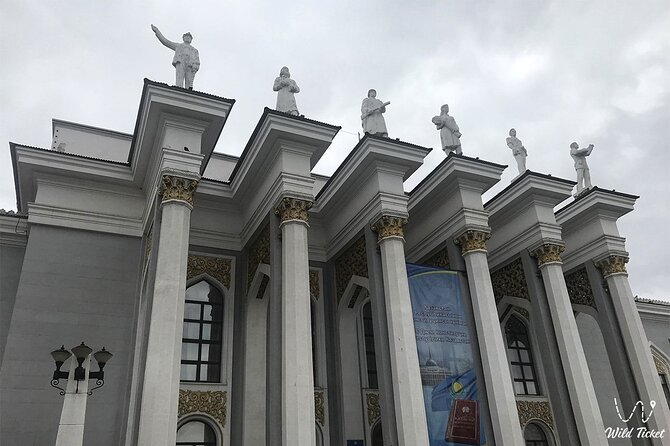
Next up is the K. Stanislavskiy Drama Theatre, a key stop if you care about how Russian cultural institutions grew inside Kazakhstan. The building dates to 1930, and it continues to serve its purpose today.
In terms of what you’re getting, this is less about one specific event and more about atmosphere. You’re looking at a historic theater structure that helps explain why this region developed a strong Russian-speaking and European-style cultural layer during the Soviet period.
This stop is brief, around 10 minutes, but it’s still worthwhile. You’ll see how Soviet urban planning treated culture as part of everyday life, not just entertainment.
More departures from Astana:
- Astana City Tour: Private Full Day with Lunch and Comfort Pickup
★ 5.0 · 98 reviews - Astana City Tour: Explore Night City with a Certified Guide
★ 5.0 · 90 reviews - Astana: Burabay Oasis Private Tour+ Lunch+ Pickup+ Bonus Activity
★ 5.0 · 75 reviews - Astana: Burabay National Park Tour with Lunch and Pickup
★ 5.0 · 64 reviews
Mining Glory and the Miners’ Palace of Culture Connection
Karaganda’s identity is tied to coal mining and industrial work, and you’ll feel that theme in the monument stops. One of them is the Monument Mining Glory, which you’ll encounter during your walk around the city center area.
Opposite it sits the Miners’ Palace of Culture. That layout is meaningful. It reflects the way labor and culture were placed side by side in Soviet planning, with monuments reinforcing the message that the miners and the state were part of the same story.
This segment takes about 30 minutes, which is long enough to absorb the symbolism and still keep moving. If you want a clean photo without chasing foot traffic, hold your spot for a minute and shoot from a stable angle rather than moving constantly.
The Karaganda Phrase That Links Back to KarLag
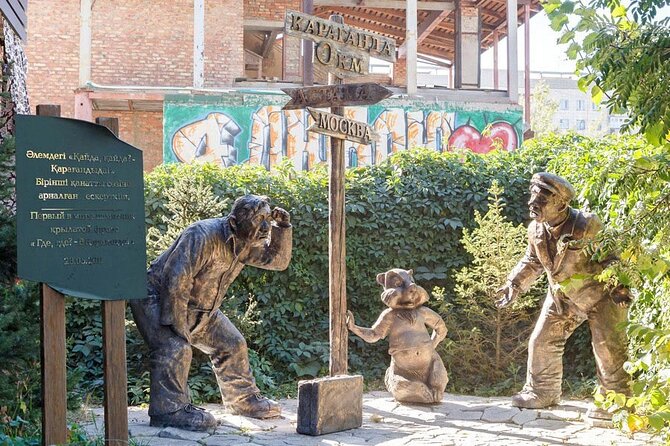
One of the most interesting stops on the city side is the monument linked to the famous phrase Gde-gde? V Karagande. It’s a line many Russian speakers recognize, meaning something like where-where, in Karaganda, and the origin of the phrase connects back to the infamous KarLag labor camp.
This is one of those moments where history leaks into language. You’ll likely notice how a joke or a stock phrase can still carry a brutal past inside it.
The time here is about an hour. That’s useful because you’re not just looking, you’re understanding. Even if you only spend part of that time reading the context, you’re setting up the bigger museum visit to land harder.
KarLag Museum at Dolinka: Where the Story Gets Heavy
Now for the centerpiece. The KarLag Museum, Museum of Political Repression Victims’ Memory, is located about 30 to 35 km outside Karaganda in the area known as Dolinka. The day shifts tone here, and it should.
You’ll spend around 2 hours at the museum, and admission is included. The information you’re given describes a vast, detailed presentation of Stalin’s labor camps, framed as a memorial to victims of political repression.
This stop is worth respecting. Don’t plan to rush your reading so you can “finish fast.” Instead, give yourself time to sit with the materials. The emotional impact is part of why this visit is considered the highlight.
If you’re bringing kids, you may find the museum is still handled in a way that keeps attention on meaning. One review noted children enjoyed the trip, and part of that likely comes from good guidance and pacing. Still, if your group includes younger kids who have trouble with difficult topics, you may want to be ready for shorter, more targeted viewing within the 2-hour block.
Lunch in a Russian Restaurant: Refuel Without Losing the Story
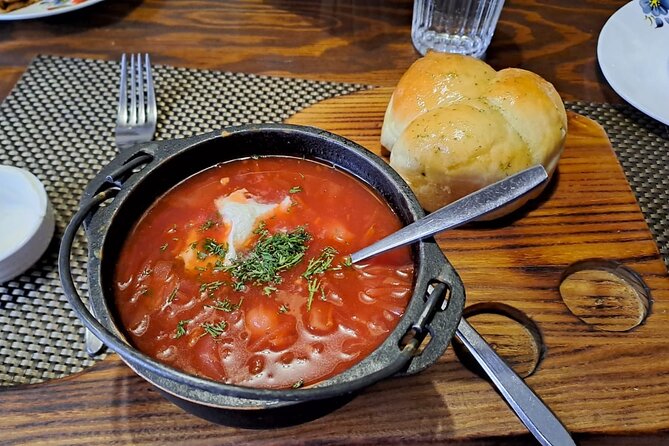
After the city stops and before or around the museum time, the tour builds in a lunch break. You’ll have time to enjoy lunch at a Russian restaurant, and one review described it as delicious.
This matters more than it sounds. After long travel and repeated monument stops, a real sit-down meal helps you stay present for the museum segment. It also reduces the chance you end up with random snacks that you regret later.
Practical tip: eat like you have an emotional museum ahead. Avoid going too heavy on coffee or super greasy food if your stomach gets sensitive during long road days. Keep it simple, hydrate, and save your energy.
Private, Not Crowded: What “Your Group Only” Changes
Because this is a private tour, only your group participates. That changes the day in subtle but helpful ways.
You’re not stuck waiting for a big bus crowd to return from the bathroom. You can move at a more comfortable pace, and if someone in your group has a question, you can usually ask it without the whole schedule grinding to a halt.
This is a good fit if you want to ask follow-up questions about what you’re seeing. The guide, Amir, is highlighted as especially strong, and that kind of guiding makes a difference in a museum built around complex, painful material.
Price and Value: Is $199 Worth a 10 to 11 Hour Soviet History Day?
At $199 per person, the value comes from how the day is constructed, not just the price tag. You get a full 10 to 11 hours including travel, pickup is offered, and the museum admission for the Dolinka visit is included.
Several other city stops are also listed with free admission tickets. That matters because it keeps your budget predictable while still covering a mix of monuments and cultural buildings.
The private format is another part of the value equation. You’re paying for fewer compromises. If you’ve ever done group tours where you spend more time waiting than looking, you’ll appreciate the smoother flow here.
So is it “cheap”? No. But for a day that combines city orientation plus a serious museum visit, plus a lunch break, it can feel like fair pricing. The consistently high rating supports that the scheduling and museum focus deliver what you came for.
Weather and Comfort Tips for a Long Day
The provider asks for good weather, which is a key operational detail. When weather turns, plans can shift, so check your forecast and keep your schedule flexible if possible.
For comfort, plan for time outdoors during the monument portions. Even if the stops are short, you’ll still be standing and walking between points. Bring a warm layer if your trip is outside the hottest months, and wear shoes you trust for uneven pavement.
Also, treat the museum visit like the main event. Keep your phone charged if you use it for notes, bring a light bag, and be ready to sit longer than a quick attraction.
Who Should Book This Tour (and Who Might Want to Pair It Differently)
This tour is ideal for you if you want a focused USSR history day with a strong emphasis on political repression and human impact. If you care about Karaganda’s Soviet-era symbolism, the Gagarin monument area, and the city’s theatrical heritage, you’ll get plenty of meaningful sights.
It’s also a good choice if you like structure. The city stops are short and photo-friendly, and then the museum takes about two hours, which keeps the day from feeling chaotic.
Where you might reconsider is if you dislike long drives or struggle with heavy historical topics. It’s not a light sightseeing day. And if your schedule is too tight, the 10 to 11 hours may crowd out other experiences.
Should You Book the Astana Horizons KarLag and Karaganda Tour?
If you’re deciding whether to book, ask yourself this: do you want a day that mixes practical city stops with a serious museum visit at Dolinka? If yes, then this is one of the stronger ways to do it.
I’d especially recommend it if you value good guiding. The tour experience is described as well planned, and Amir is singled out for making the content clear. The KarLag Museum visit is also called thorough, and that is exactly what you want when the subject is difficult and nuanced.
Book it if you can handle a long day and you’re ready for emotional history. Skip it if you want purely upbeat sights or if you’d rather keep things light and flexible.
FAQ
FAQ
How long is the KarLag and Karaganda tour?
It runs about 10 to 11 hours, including travel time.
Where does the tour start?
The experience is based in Nur-Sultan (Astana area), and pickup is offered.
How far is Karaganda from Astana or Nur-Sultan?
Karaganda is about two and a half hours from Astana.
What is the main stop outside Karaganda?
The main out-of-city visit is the KarLag Museum in the Dolinka settlement area.
How long do you spend at the KarLag Museum?
The museum visit is about 2 hours.
Is admission included for the KarLag Museum?
Yes, admission to the KarLag Museum is included.
Are the city stops included in the price?
The itinerary notes free admission tickets for multiple city stops, including Shalkyma Concert Hall, K. Stanislavskiy Drama Theatre, Monument Mining Glory, and the monument tied to Gde-gde? V Karagande.
Is there time for lunch?
Yes, you’ll have time to enjoy lunch during the day, described as being at a Russian restaurant.
Is this tour private or shared?
It’s private. Only your group participates.
What is the cancellation policy?
Free cancellation is available up to 24 hours in advance of the experience start time, with refund based on local time cutoff. The provider notes good weather is required, and if canceled due to poor weather you’ll be offered a different date or a full refund.
Recently added from Astana
- Astana Private Custom Walking Tour with A Local Guide★ 4.0 · 3 reviews
- The Old City Tour★ 5.0 · 3 reviews
- Private Astana City tour: Gude & Food & Winetasting★ 5.0 · 4 reviews
- Half Day Private Astana City Tour in Comfort★ 5.0 · 5 reviews
- Tour to Burabay National Park★ 4.5 · 6 reviews
- Half-Day Private Tour to Alzhir Camp from Nur-Sultan★ 5.0 · 6 reviews
- Private Transfer from Nursultan Nazarbayev (NQZ) Airport to Astana★ 5.0 · 6 reviews
- Half Day (3 hours) City Tour★ 5.0 · 6 reviews
Historical Tours, compared.
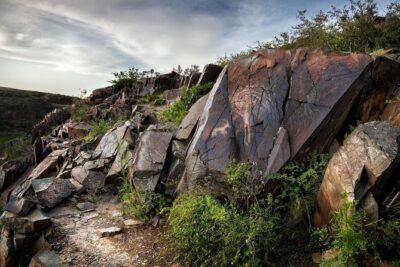
Ancient petroglyphs of Tanbaly – UNESCO World Heritage
Read our review →
Almaty City Tour: A Journey Through Culture, History, and Nature
Read our review →
Almaty Hightlights Tour: Discover Culture, Nature, and History
Read our review →
2-Day 1-Night Ranch Stay & Tour Historic Mausoleum
Read our review →Browse the lists this tour appears in